
Net Metering vs. Net Billing in Punjab: What Changed in 2026
Published 9 July 2026 · 6 min read
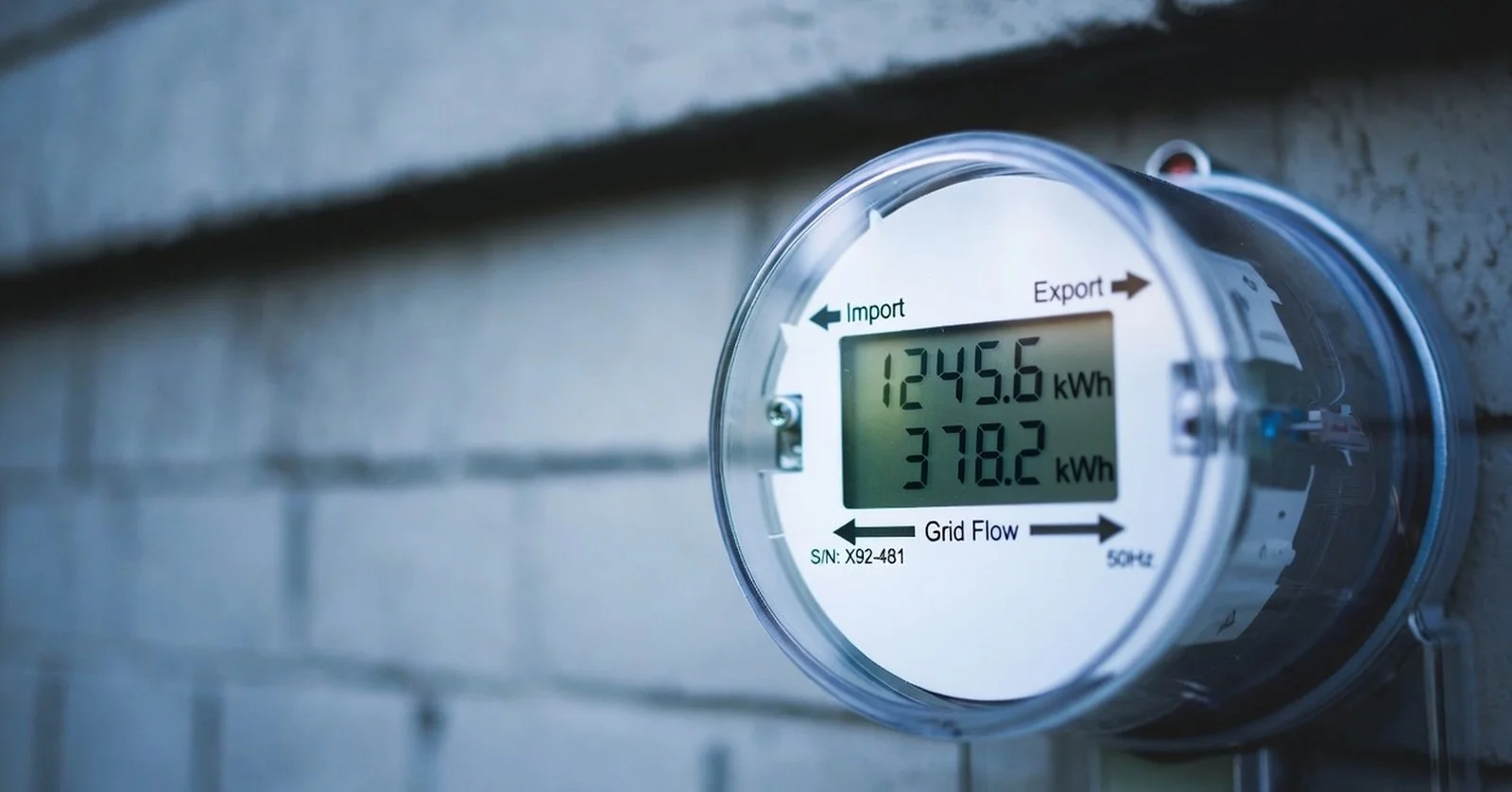
For years, "net metering" was the term everyone in Pakistan used for rooftop solar's grid buyback arrangement — export a unit, import a unit, they cancel out. In February 2026, that changed. If you're evaluating solar now, it's worth understanding what you're actually signing up for, because the term "net metering" and the current reality aren't quite the same thing anymore.
What net metering used to mean
Under the old framework, your bi-directional meter tracked how much power you sent to the grid and how much you pulled back. If the two roughly balanced out over a billing cycle, you paid little to nothing — your exported units offset your imported units at the same rate, one-for-one.
What changed in February 2026
NEPRA's Prosumer Regulations 2026 replaced that one-for-one exchange with "net billing" for new solar applications. Under net billing, your exported and imported electricity are no longer treated as equivalent — you're paid a separate, generally lower rate for what you export to the grid, while what you import is still billed at the standard retail tariff. In practice, this means exporting surplus power is worth noticeably less than it used to be, while using your solar power directly, as you generate it, is unaffected and remains the most valuable way to consume it.
There's an important wrinkle: after the initial policy shift drew significant public and political pushback, NEPRA subsequently amended the regulations to protect existing net-metering consumers — if you already had a net-metering agreement in place, your original terms are generally being honoured for the remainder of your contract, provided you don't materially modify your system's capacity. New applications, however, fall under the net billing framework. This distinction — existing vs. new — is the one most worth understanding if you're comparing what a neighbour with an older system is getting versus what you'd get today.
Why this doesn't kill the economics
A lower export rate changes the math, but it doesn't remove the case for solar — it shifts where the value comes from. Every unit you consume directly from your panels, instead of pulling it from the grid, still saves you the full retail rate. That was always true, and it's now the dominant factor in payback time. The systems that make the most financial sense under net billing are the ones sized and scheduled around actual daytime usage — running ACs, pumps and heavy appliances while the sun is out — rather than oversized systems built to export as much as possible.
This is exactly why sizing matters more now, not less. An engineer who matches your system to your real consumption pattern, rather than just your total monthly bill, protects your payback timeline regardless of what the export rate happens to be this year.
What we do about it
Rates, contract terms and eligibility rules under this framework have moved more than once in 2026 already, and further changes are plausible. We don't put a specific PKR export rate in front of a client and treat it as fixed — our engineers confirm the current NEPRA and DISCO terms that actually apply to your application at the time of your free survey, and where you have an existing net-metering agreement, we check what protects it before touching anything. Grid interconnection paperwork is handled as part of every full-system installation, so this isn't something you have to track yourself.
A note on accuracy: Pakistan's net metering and net billing rules have changed more than once in 2026 and remain politically contested. This article reflects our understanding of the framework as of the publish date above — treat any rate or timeline mentioned here as indicative, not contractual, and confirm current terms with your UKS engineer or directly with NEPRA/your DISCO before making a decision.
Want your specific numbers confirmed?
Our engineers check current terms during every free survey.