Maximizing ROI: The UKS Solar Maintenance Protocol
Published 10 July 2026 · 8 min read
A solar power system is a significant capital investment designed to last for over 25 years. However, like any precision-engineered electrical system, it is not "install and forget." In the climate of Punjab—characterized by intense summer heat, high humidity, and significant dust accumulation—proactive maintenance is the deciding factor between a system that meets its performance targets and one that degrades prematurely.
Why Solar Maintenance Matters
Dust, soot, and bird droppings act as shading agents. Even a thin layer of dust can reduce panel efficiency by up to 20-30%. Furthermore, electrical components like inverters require proper cooling and ventilation to function. Ignoring these basics leads to thermal stress, which accelerates the degradation of internal capacitors and reduces overall inverter lifespan.
The UKS Solar Maintenance Checklist
Follow these professional protocols to ensure your system remains at peak health:
- Inverter Filter Cleaning (Every 15 Days): IP20-rated inverters rely on fans and intake filters to dissipate heat. Dust clogs these filters, causing internal temperatures to spike. Cleaning these every fortnight is the most effective way to prevent thermal shutdowns. If you have an IP65+ inverter, you won't find filters on it, so no cleaning is required for that component.
- Annual Deep Cleaning: Once a year, we recommend using a low-pressure blower to clear the inverter’s internal circuitry of accumulated micro-dust. This prevents potential short circuits caused by conductive dust layers.
- Ambient Temperature Management: Ensure your inverter is installed in a shaded, well-ventilated area. If the ambient temperature around the inverter exceeds recommended limits (typically 50-60°), its power output will be automatically derated by the unit to protect itself, or in some cases will completely trip the load while sounding an alarm.
- Thermal Monitoring: During peak summer, physically check cables and connectors for excessive heat. If cables feel unusually hot to the touch, it indicates loose connections or undersized wiring—both of which are major fire hazards that require immediate engineering intervention.
- Structural Inspection: Inspect your mounting structure annually for signs of corrosion, particularly in coastal or humid areas, and ensure all bolts remain tight to withstand high wind loads.
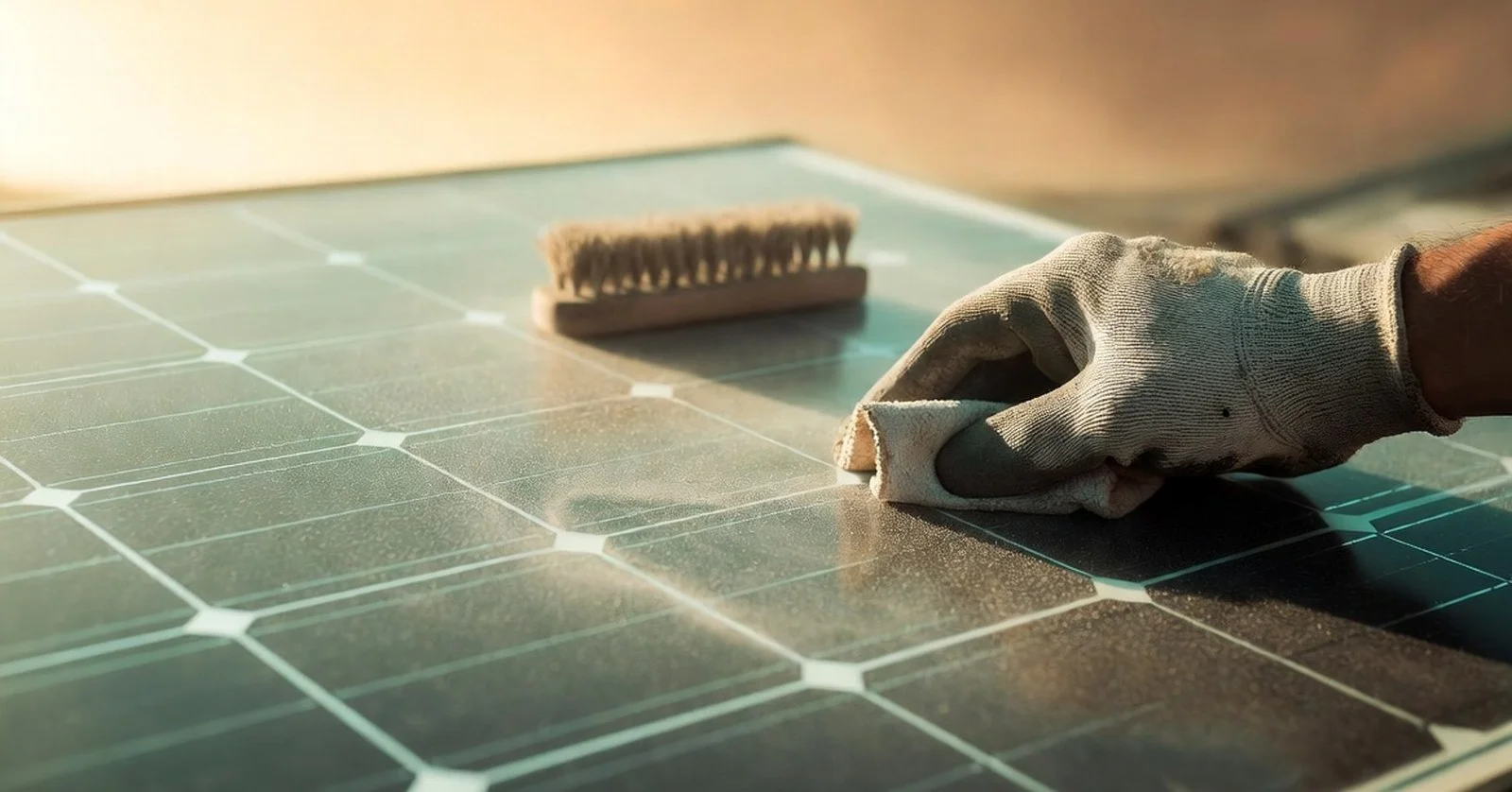
- Panels Cleaning: Regularly clean your solar panels. Ideally with de-ionized water and a solar panel safe detergent. Proper cleaning prevents dust build-up and reduces the chance of hotspot formation.
Professional vs. DIY Cleaning
While basic panel cleaning can be done by homeowners, there is a technical risk: using low quality equipment with improper cleaning practices. These imperfections act as localized shades, creating "hot spots" on the panels, which can lead to permanent micro-cracking over time.
At UKS Solar, our professional cleaning service uses solar panel detergent and soft-bristle equipment. This process ensures that the anti-reflective coating on your panels is preserved while removing all contaminants without risking abrasive damage.
Partner with the Experts
Your solar system is an asset that should work for you, not the other way around. By following these protocols, you protect your energy yields and extend the lifespan of your critical components. If you find the upkeep of your system overwhelming, our team provides tailored maintenance contracts that include regular inspections and professional cleaning, giving you complete peace of mind.
Need a professional health check? Whether your system was installed by us or another provider, our engineers are available for comprehensive site inspections. Contact us to schedule a maintenance visit and ensure your system is running at 100% capacity.
Is your system performing at peak?
Schedule a professional deep clean and inspection with our team.